


For Discrete, Make-to-Order & Engineer-to-Order Manufacturers
Gain Real-Time Control of Inventory, Production, and Purchasing
Kalpa helps manufacturers connect inventory, purchasing, production, and financials in one ERP system so teams can reduce shortages, improve visibility, and scale operations profitably.
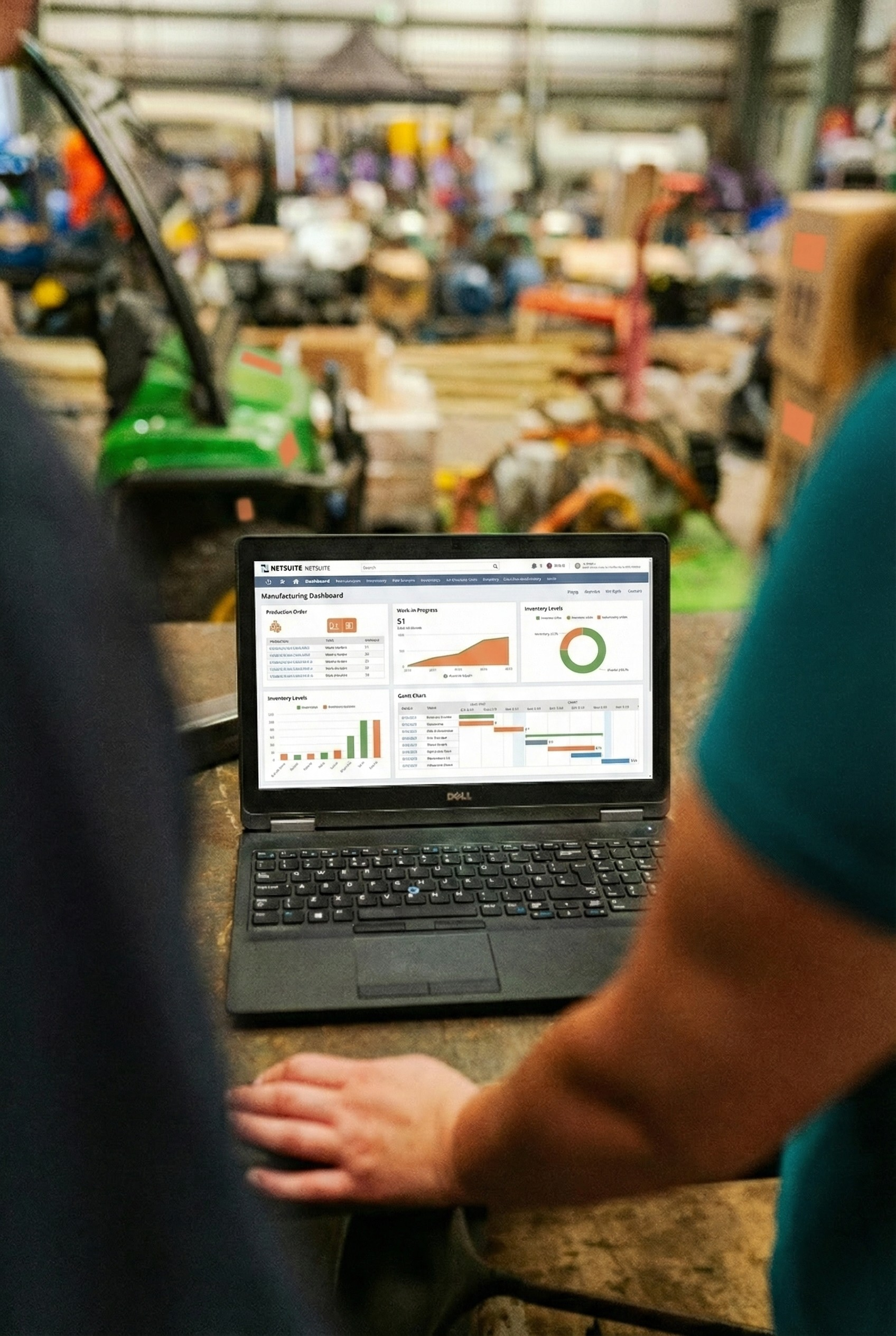

Proven Experience Across Manufacturing
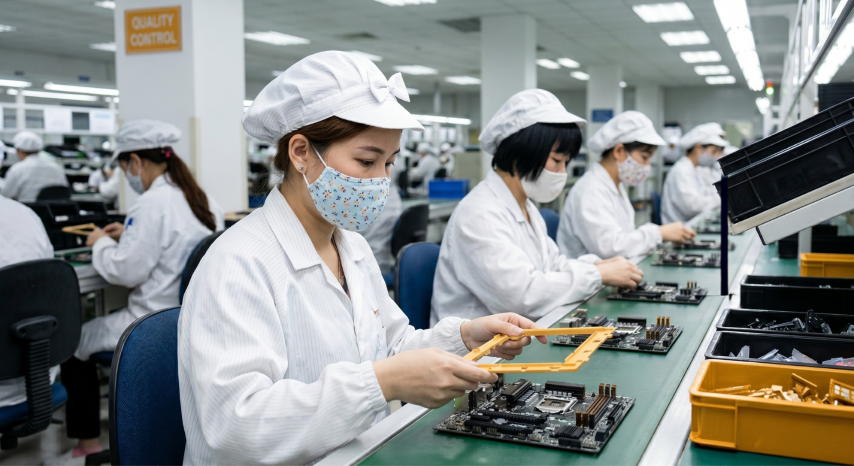
Electronics Manufacturing

Medical Devices
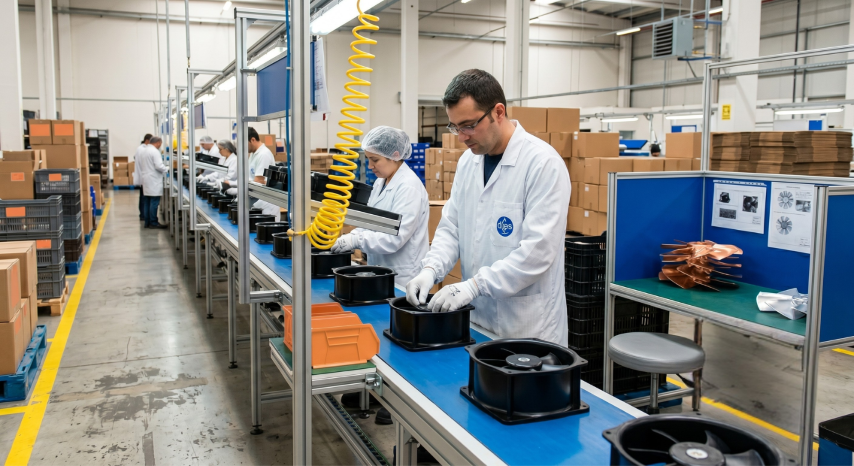
Consumer Products
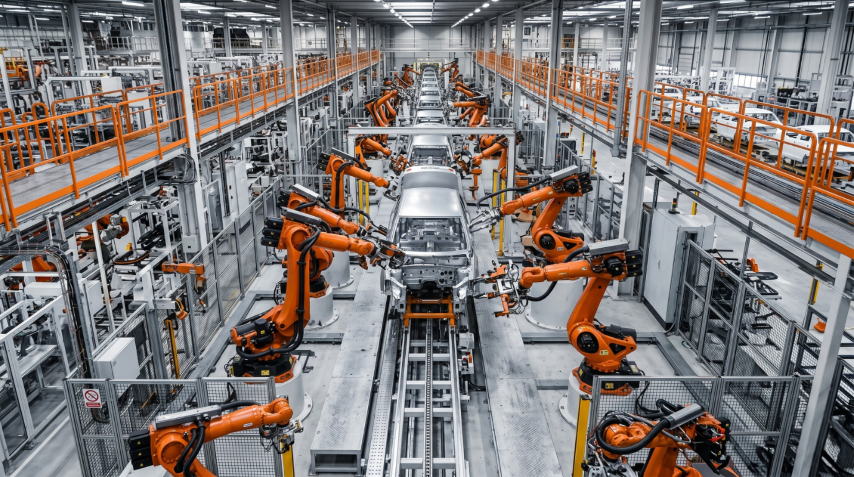
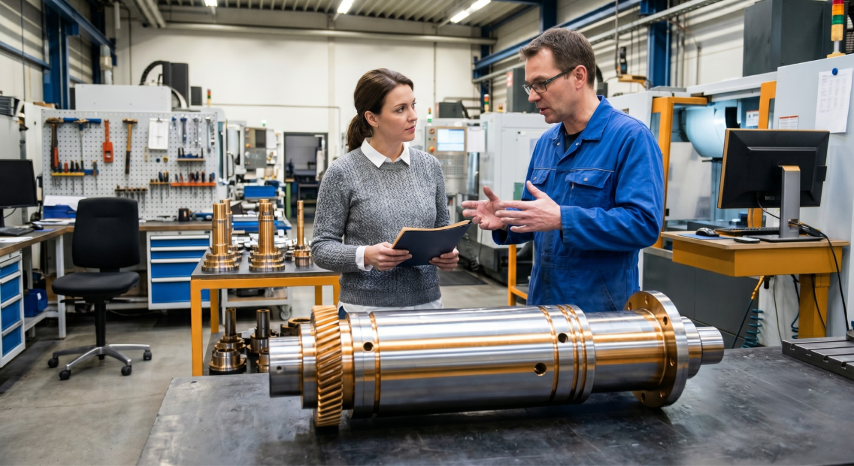
Fabrication & Assembly
Industrial Equipment
Built for Manufacturing Complexity
🔸 Inventory counts that don't match reality
🔸 Production delays caused by missing materials
🔸 Purchasing decisions based on outdated data
🔸 Work orders tracked outside the ERP
🔸 Quality issues discovered too late
🔸 Warehouse, production, and finance disconnected
🔸 Manual spreadsheets driving planning decisions
🔸 No visibility into true job profitability
Manufacturing has unique demands
1
Inventory Management
Never halt production over phantom inventory again.
Real-time visibility into inventory levels, movements, and stock accuracy prevents the discrepancies that stop production lines. We configure your ERP to provide accurate inventory allocation and demand forecasting across multiple locations and warehouses environments so what your system says matches what's actually on your shelves.
2
Material Requirements Planning (MRP) helps ensure the right materials arrive at the right time while controlling costs. Keep demand, material plans, work orders, and inventory connected. This gives planners a clearer view of what is needed and when.
3
Work Order Management
Track every production task in real-time.
Work Order Management in ERP enables you to plan, schedule, and track production tasks and activities, ensuring efficient resource utilization and timely order completion. A centralized platform manages all aspects of work orders: scheduling, materials, labor, and equipment in real-time, so you know exactly where every job stands.
4
Profitability
Know if custom orders are profitable before it's too late.
For Engineer-to-Order or Make-to-Order manufacturers, effective cost control and tracking are vital. We enable precise monitoring of budget versus actuals, ensuring profitability throughout the project lifecycle. By capturing and analyzing this data, you can optimize budgets, minimize cost overruns, and maintain profitability even in complex manufacturing environments.
5
Quality Control
Catch quality issues on the shop floor, not in the field.
ERP systems enable you to plan quality parameters, schedule inspections, and automate testing processes, ensuring compliance with specifications and regulatory standards. Non-conformance management tools facilitate documentation and resolution of quality issues, while supplier quality management modules track and evaluate supplier performance so defects get caught before customers see them.
6
Integrations - WMS, ERP and MRP
Align shop floor and warehouse operations seamlessly.
Traditional ERPs often don't meet manufacturing's unique requirements for connecting production and inventory management. We integrate WMS, ERP, and MRP systems to create unified data flow, eliminating the disconnect that causes phantom inventory, delayed orders, and production bottlenecks.
From assessment through ongoing support, we guide you to the right ERP solution for your manufacturing operation connecting every system so production runs smoothly and profitably.
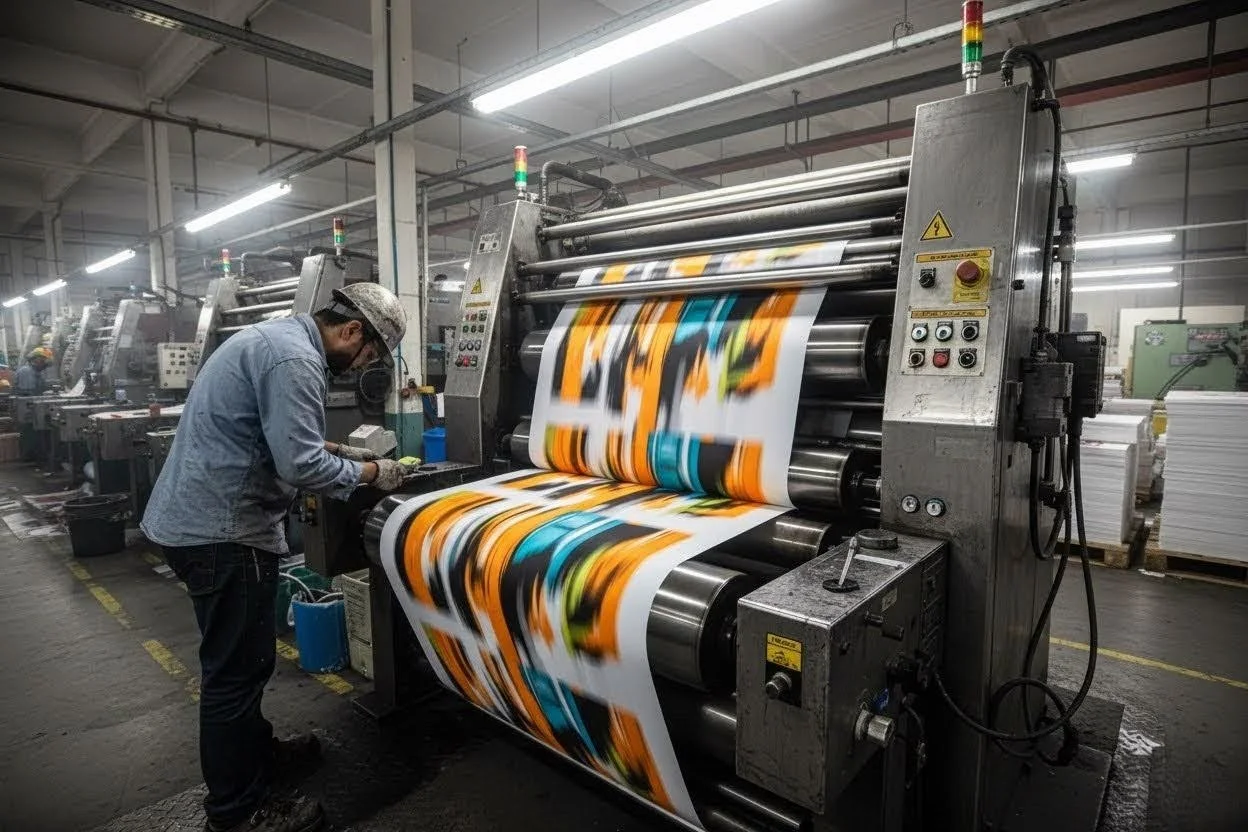
Why Manufacturing Companies Choose Kalpa
How many production runs have you started only to discover critical materials aren't where your system says? How often do projects finish 30% over budget but you learn it too late to fix? These aren't isolated incidents. They're symptoms of systems operating at different speeds; your shop floor runs in real-time while your ERP, WMS, and MRP lag hours or days behind, creating the chaos that costs you money daily.
For years, we've specialized in implementing ERP for discrete, make-to-order, and engineer-to-order manufacturers eliminating the disconnect between production floor and office systems so you control costs before disasters happen.
What Happens After You Book
We identify operational bottlenecks
We review inventory accuracy, production workflows, purchasing processes, and reporting gaps that are slowing your operation down.
1
We map the system gaps
We uncover where inventory, production, warehouse, purchasing, and finance processes are operating in silos or relying on manual work.
2
You get a practical ERP path forward
You leave with a clear plan to improve inventory visibility, streamline production, reduce manual processes, and support future growth.
3
What Our Clients Say

“Kalpa’s team understood not just NetSuite, but business process and accounting. That made a giant difference in helping our system function better.”
Loni Knepper
Chief Finance Officer

“The scope of this project, integrating and decommissioning over a dozen acquired systems into one NetSuite instance, was immense. The solution architecture provided the foundation we needed for stable, scalable global finance operations."
Mark Strachan
Chief Information Officer

“The re-architecture project was vital. Resolving the system slowness and bringing Canada onto the shared platform unified our North American financials”
Scott Cousins
Chief Information Officer


Frequently Asked Questions for Manufacturers
-
A paid-off system can still be expensive if it causes excess inventory, manual labor, missed shipments, unreliable reporting, or high support costs. Modern ERP replaces hidden operational drag with clearer visibility, stronger controls, and scalable processes.
-
It should not. A properly managed ERP project uses phased planning, sandbox testing, user validation, and a controlled go-live schedule. The goal is to protect active operations while improving the systems behind them.
Schedule a call to discuss a lower-risk implementation path.
-
Usually, no. The better approach is configuration first, customization only where it creates measurable business value. This keeps the system easier to maintain, easier to upgrade, and better aligned with long-term growth.
-
If teams are relying on spreadsheets, manual workarounds, delayed inventory reports, or after-the-fact job costing, the system is likely creating hidden margin loss. A short discovery call can identify where operational data, inventory accuracy, and production visibility are breaking down.
-
Data migration should include cleansing, mapping, duplicate removal, BOM review, item standardization, and validation before go-live. Clean data is what makes inventory, planning, costing, and reporting trustworthy from day one.
-
Yes. A properly designed manufacturing ERP can centralize visibility across warehouses, production sites, suppliers, subcontractors, and co-manufacturing partners. This improves planning, allocation, procurement, and supplier performance tracking.
-
Phantom inventory happens when warehouse, purchasing, production, and finance data do not update in real time. A connected ERP, WMS, and MRP environment gives teams more accurate stock levels, better material planning, and fewer production delays.
-
Adoption improves when users are involved early, trained by role, and shown how the system makes their work easier. ERP success depends on process alignment, practical training, and post-go-live support, not software alone.
Schedule a call to discuss implementation and adoption planning.
Get Real-Time Inventory Control Across Your Entire Operation
Book a free 30-minute consultation with our ERP implementation specialists and discover:
How to reduce inventory discrepancies and improve confidence in available quantities
Where your current system is leaking money
Real-time visibility across shop floor, work orders, and warehouse
Not sure if you're ready? No commitment required. Just discuss your production challenges with experts who understand discrete, make-to-order, and engineer-to-order manufacturing.